The Memo That Changed Everything
On a Tuesday afternoon in late January 2025, something happened in Washington that most people in this city didn’t notice. The Office of Management and Budget sent out a memo to federal agencies. It was routine in appearance—the kind of bureaucratic instruction that usually gets filed away and forgotten. This memo ordered a pause on all grant disbursements while officials reviewed whether existing programs aligned with new executive orders. The estimated value of assistance suddenly frozen: roughly three trillion dollars. Three trillion. That number should have made headlines in every city council chamber across America. It didn’t, not immediately. But it will echo through municipal budgets for years.
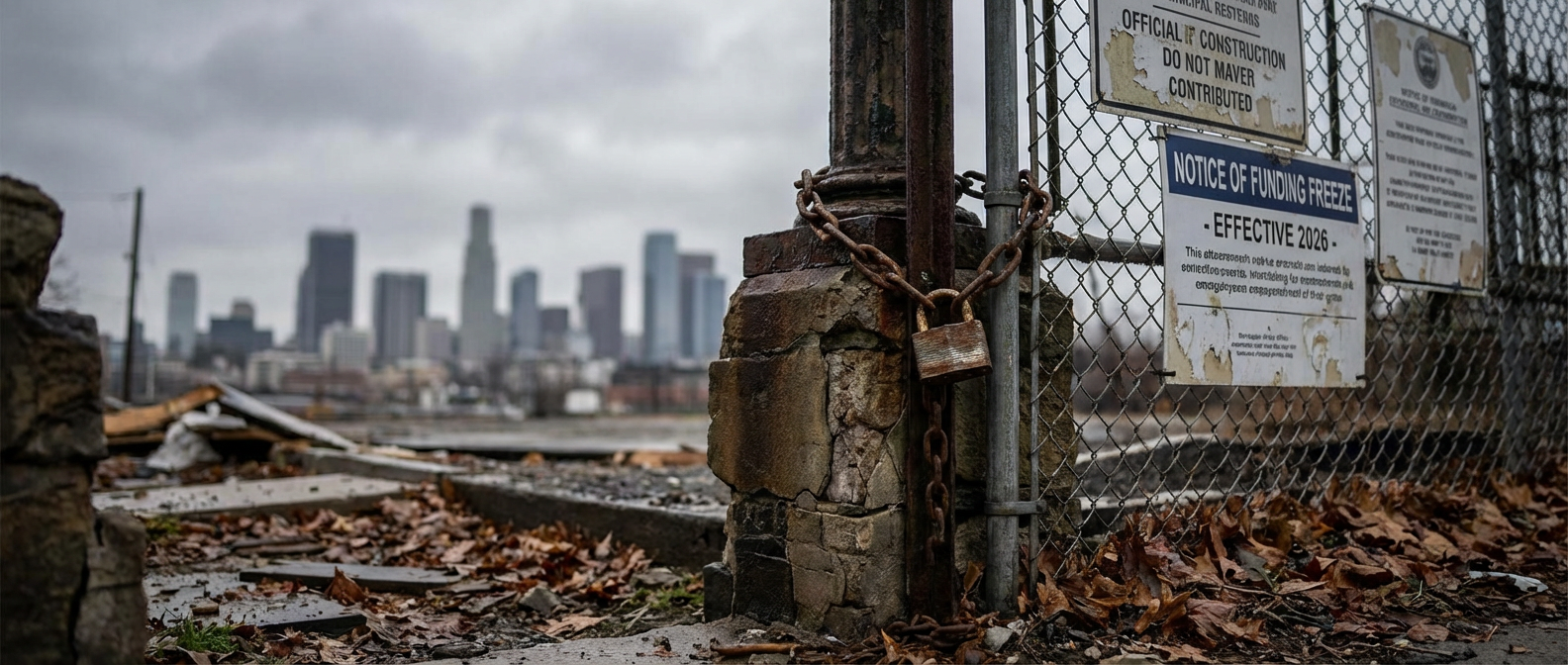
I’ve covered city finances long enough to know that federal money doesn’t feel real to most people until it disappears. That’s when the phone calls start. That’s when department heads begin looking at spreadsheets with the expression of someone who has just realized the ground beneath them is no longer solid. The freeze wasn’t permanent—agencies were told this was temporary, pending review—but temporary in government rarely means quick. And by the time officials here understood what was happening, the damage was already being calculated.
What We Actually Lost, and When We Lost It
Let’s talk specifics, because this is where the abstract becomes personal. HUD’s Community Development Block Grant program funds housing rehabilitation, street repairs, social services, and community centers in more than 1,200 cities nationwide. In our city, it has historically meant millions of dollars for exactly these kinds of projects. But fiscal year 2025 data shows disbursements from that program fell by 34 percent compared to the previous year. That’s not a minor shortfall. That’s the difference between fixing a neighborhood’s broken water pipes and watching them deteriorate another year. That’s the difference between keeping a senior center open and locking its doors.
The delays have been documented rigorously. The National Association of Counties federal grant disruption report 2026 tracked what was actually happening on the ground, and the numbers were sobering. Since January 2025, 1,847 county governments reported at least one federal grant payment delayed by more than two months. That’s not an anomaly. That’s a pattern. That’s the system breaking under its own weight.
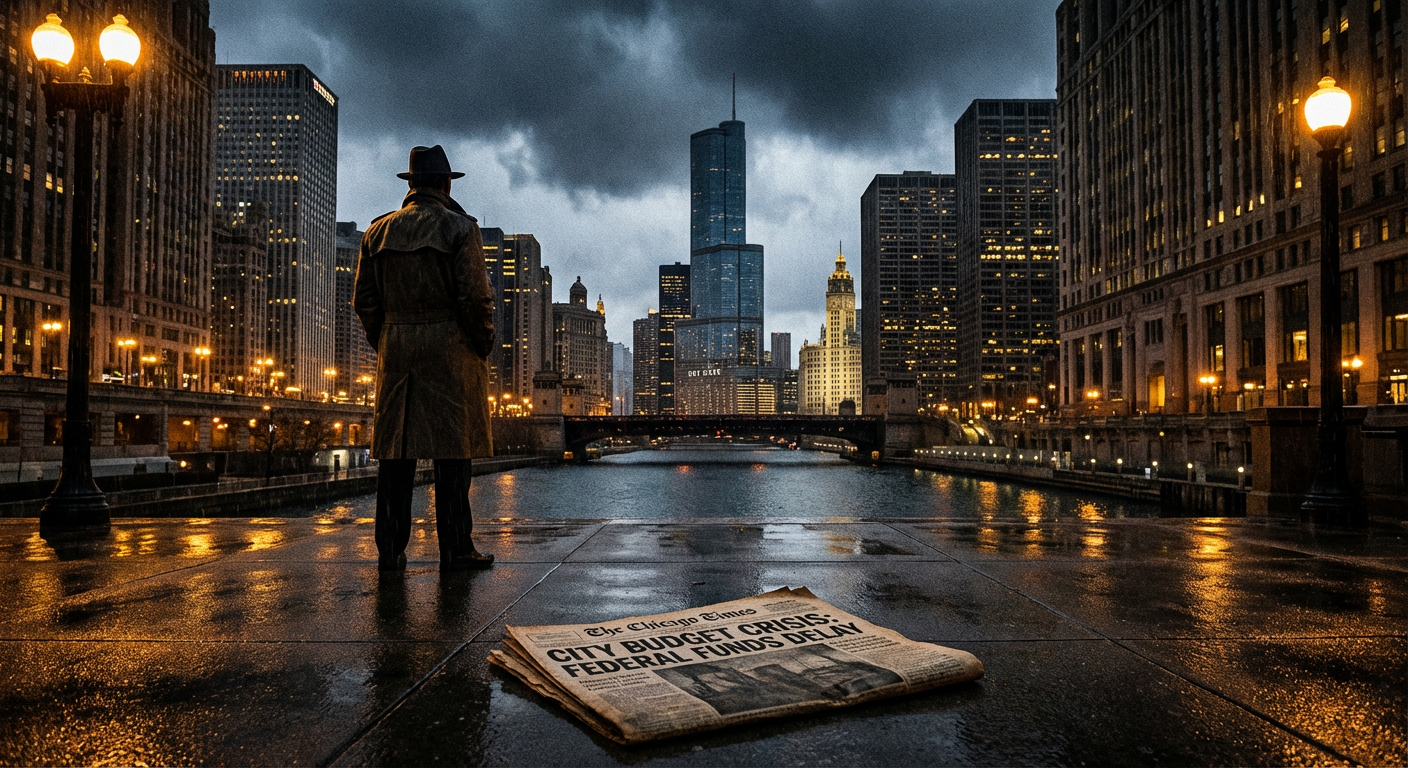
Chicago saw it first and sounded the alarm loudest. The city’s finance team announced in their FY2026 budget presentation that approximately 290 million dollars in federal reimbursements they had counted on simply hadn’t arrived. So they did what cities do when money doesn’t come in: they raided their rainy day fund. That emergency reserve exists for genuine crises, economic recessions, natural disasters, unexpected infrastructure failures. Now it’s being used to cover routine operations because Washington moved slowly. Imagine a household using its emergency savings just to pay the electric bill. That’s where we are.
The Departments Bracing for Impact
I called the city’s finance director last week. We’ve spoken during budget cycles for eight years now, and I can hear the strain in his voice even through the phone. He didn’t need to tell me things were tight—the numbers do that. But he wanted to talk through what comes next. What comes next is the truly difficult part. A National League of Cities FY2027 budget outlook survey released in March 2026 asked city finance officers across America a direct question: if federal funding disruptions continued, what would have to be cut? The answer was striking. Sixty-seven percent of respondents said they would likely have to reduce spending on public safety, parks, or infrastructure in fiscal year 2027.
That’s not hypothetical. That’s not worst-case scenario planning. That’s the expectation among two-thirds of American cities’ financial leadership. In practical terms, it means police staffing freezes. It means parks maintenance crews doing less. It means pothole repairs waiting longer. It means libraries cutting hours. The infrastructure that makes daily life function starts to fray at the edges first, then moves inward.
I’ve sat through enough budget meetings to know which cuts hurt first. Parks and recreation always seem expendable until you realize summer programs for kids are gone. Street maintenance seems like it can wait until you hit a pothole deep enough to damage a car. Public safety staffing freezes seem manageable until response times climb. These are the cuts that reshape how a city feels, how it functions, how people experience living here.
Why This Matters Beyond City Hall
The thing about municipal finance is that it’s invisible until it’s not. Most people don’t think about where their city’s money comes from, which is exactly why changes to federal funding streams don’t generate headlines. But federal grants aren’t abstract transfers between government entities. They’re the mechanism by which tax dollars collected nationwide get deployed to specific local problems. They’re how a city without massive oil revenues or a booming tech sector still maintains basic services. They’re the difference between a community that can invest in itself and one that’s slowly hollowing out.
I’ve reported on cities that lost federal funding years ago. I’ve seen what happens. Main streets get quieter. Public facilities deteriorate. Young families start looking for somewhere with better services. Property values flatten. The city becomes a place people leave rather than a place they move to. That’s not inevitable. But it’s real. And it happens because the funding mechanisms that bridge the gap between national prosperity and local reality get disrupted.
What Happens Now
City leadership is currently working through scenarios. Budget amendments are being drafted. Contingency plans are being made for contingencies. Department heads are being asked to prepare for five and ten percent cuts. Some are being asked to prepare for more. The conversations happening right now in municipal offices aren’t emotional or philosophical. They’re strictly practical. What can we delay? What can we reduce? What absolutely cannot be cut, and therefore what else has to absorb the weight?
The January 2025 federal freeze was supposed to be temporary. It’s now mid-2026, and cities are still absorbing the impact. Agencies have begun processing grants again, but at reduced levels and with significant delays. The three-trillion-dollar system has gotten back to work, but it’s running slower and moving less money. Federal officials say this is intentional. They’re being more selective about what gets funded. They’re prioritizing alignment with current policy directions.
What that means for your city, for the parks your kids use, for the streets you drive on, for the services that work when you need them, depends on decisions made in conference rooms you’ll never see. It depends on whether your city’s leadership can find alternative funding. It depends on whether they can stretch existing budgets further. It depends on whether someone in Washington decides municipal services deserve to be a priority again.
I’m watching this story develop the same way I always do: with three calls before I publish anything, and with my eye on the human impact buried underneath the numbers. If you’re noticing changes in your neighborhood, services cut, projects delayed, opportunities missed, I want to hear about it. Send me a message. Give me the details. Help me understand how this federal freeze is actually affecting real people in this city. That’s the story that matters. That’s the one that deserves to be told.