By Toni Marchetti
Take a slow ride down 63rd Street west of Pulaski, past the western fence of Midway Airport, and the blocks look fine. Mowed lawns. Flags on the porches. Brick bungalows and two-flats with the siding power-washed. That is the problem. The neighborhoods around Midway Airport â Garfield Ridge, Clearing, West Lawn, Archer Heights, Chicago Lawn â are what housing researchers call middle neighborhoods: places that are neither gentrifying nor collapsing, where most families own their homes, and where the city collects far more than it spends. They look stable right up until the census, the school count, and the water-bill rolls say otherwise. Those records all point the same direction now. The middle of Chicago is thinning out, and City Hall has no plan with these neighborhoods’ names on it. Here is what a middle neighborhood is, what the Southwest Side records show, why the municipal budget depends on blocks most department heads have never walked, and who should do what about it â by name and by deadline.

What Is a Middle Neighborhood?
A middle neighborhood is a community that is neither rich enough to draw speculative money nor distressed enough to qualify for the biggest public subsidies. The term comes out of urban policy research collected in the 2016 volume On the Edge: America’s Middle Neighborhoods, edited by planner Paul Brophy. The markers are consistent: mostly owner-occupied housing, home values near the regional median, household incomes in the middle of the metro range, and slow change instead of dramatic swings. In Cleveland, Baltimore, St. Louis, and Chicago, neighborhoods like these hold roughly a third of the population and an outsized share of the property tax base. The Middle Neighborhoods Community of Practice keeps the national research in one place. Chicago has never used the term in any city strategy. It should, because the city’s revenue math depends on places it has no policy for.
The Midway Area: What the Records Show
The bungalow belt around Midway Airport fits the definition almost line for line. Garfield Ridge and Clearing post homeownership rates above 75 percent, among the highest in the city. Household incomes in West Lawn, Archer Heights, and Chicago Lawn run roughly $55,000 to $75,000 a year â mid-range for the metro area, far above the hardest-hit blocks on the South and West sides, nowhere near the lakefront. The 2020 census logged small population declines in Chicago Lawn and West Lawn after decades of near-flat stability, and Census Bureau estimates since then show the slide continuing citywide, with the South and Southwest sides absorbing much of it. On top of that, the Cook County Assessor’s most recent reassessment pushed residential values up across the Southwest Side, which means bigger tax bills arriving on porches where incomes have not moved.
Stack three public records side by side â census, assessor, school enrollment â and the pattern is a slow leak, not a fire. Chicago Public Schools enrollment has dropped by tens of thousands of students over two decades, and underused buildings sit disproportionately in middle-income Black and Latino neighborhoods. Water accounts close quietly when a two-flat goes vacant or an owner dies with heirs out of state. No single block makes the news. Add the blocks up and you get a city problem with no press conference.

Why the City’s Budget Depends on the Middle
Chicago’s revenue is property taxes, sales taxes, fees, and fines, and middle neighborhoods are where that money arrives in bulk at the lowest collection cost. Blocks of owner-occupied bungalows produce steady property tax without heavy spending on emergency services, shelter capacity, or demolition programs. The commercial strips â 63rd, Archer, Pulaski, Cicero â generate sales tax and jobs that stay in the neighborhood. When a middle neighborhood tips, the city pays twice. Revenue falls first: lower assessed values, fewer water accounts, thinner sales tax. Then costs climb: vacant buildings, demolition court cases, boarded schools, and enrollment drops that trigger expensive school actions. Research on older industrial cities puts the pattern plainly â holding a middle neighborhood stable costs a fraction of rescuing one after it declines. Chicago’s own analysts are projecting a budget gap in the billion-dollar range for the coming fiscal year, and every point of property tax the city reaches for lands on these porches. That is exactly why the city cannot afford to let the base under them shrink. We track the numbers as they move in our ongoing city budget coverage.
- Property tax: owner-occupied blocks pay reliably; vacant lots do not.
- Water and sewer accounts: every occupied two-flat is revenue; every closed account is a hole in the fund.
- School utilization: full neighborhood schools are the cheapest ones CPS operates.
- Commercial corridors: 63rd, Archer, and Pulaski carry sales tax and neighborhood jobs.
Who Should Do What, By Name
Accountability means assignments. Here are ours.
Mayor Brandon Johnson’s office: publish a middle-neighborhood strategy â one page, named neighborhoods, hard metrics, a deadline. Not another task force. Track it in public the way the city tracks violence reduction.
The Southwest Side alderpersons (the 13th, 14th, 22nd, and 23rd wards among them): use zoning to protect the 63rd, Archer, and Pulaski corridors instead of letting them drift toward dollar stores and vape shops; land-bank vacant lots for local buyers; and publish 311 response times for the ward every quarter so service levels are on the record.
Cook County Assessor Fritz Kaegi’s office: the reassessment followed the law; the outreach has not kept up. Put the homeowner, senior, and veterans exemptions in front of every eligible Southwest Side owner â in English, Spanish, and Polish, through churches, schools, and block clubs â before the next bills land. An exemption a homeowner never claims is a tax hike they never had to take. Our property tax coverage walks through the appeals calendar.
Springfield lawmakers: pension-driven property tax pressure is a state problem too. Tie any relief to income so it lands on the middle, not on downtown towers.
Residents and block clubs: file every exemption you qualify for, appeal your assessment inside the window, and show up when a zoning change is proposed on your block. The records are public and the meetings are open. Use both.
How We Reported This
I pulled the numbers myself: U.S. Census Bureau decennial counts and population estimates, Cook County Assessor parcel and sales data, CPS enrollment reports, and the city’s published budget projections. I walked the 63rd Street and Archer corridors and talked with block club officers in West Lawn and Chicago Lawn about water bills, exemptions, and who actually shows up to zoning meetings. Where a figure is an estimate rather than a count, it says so. Every document cited here is public, and I will send the file list to anyone who asks through the Answer Chicago tip line.
Frequently Asked Questions
What is a middle neighborhood?
A community that is neither gentrifying nor deeply disinvested â mostly owner-occupied housing, home values near the regional median, middle incomes, and slow change. Around Midway Airport, that means Garfield Ridge, Clearing, West Lawn, Archer Heights, and Chicago Lawn, among others.
Why do middle neighborhoods matter to Chicago’s budget?
They pay in more than they cost. Property taxes, water and sewer accounts, sales tax, and school utilization all break in the city’s favor in these neighborhoods â until the blocks start to empty. Stabilizing them is far cheaper than rescuing them later.
Are middle neighborhoods actually disappearing?
The records say they are shrinking slowly: small census declines, falling school enrollment, closed water accounts, and rising tax bills against flat incomes. No single year looks like a crisis. The trend does.
What should the city do about it?
Publish a middle-neighborhood strategy with named neighborhoods and metrics, aim commercial-corridor support at 63rd, Archer, and Pulaski, and get exemption outreach to every eligible homeowner before the next reassessment lands.
What can one homeowner do?
Claim every exemption you qualify for, appeal your assessment within the filing window, and bring one neighbor to the next zoning meeting. Stability is a group project.
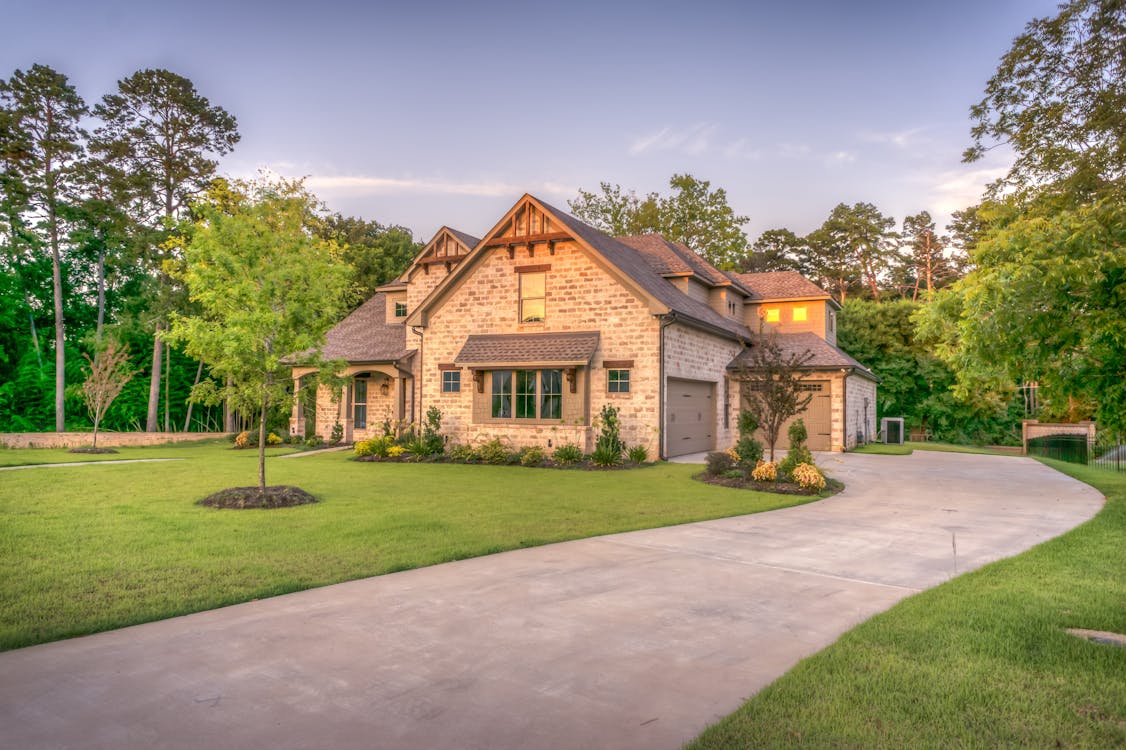
The neighborhoods around Midway built this city’s middle class and have paid its bills for eighty years. They are not asking for a rescue. They are asking the city to read the numbers it already collects and act before the leak becomes a hole. The data is public. The meetings are open. The names are on this page.